The Ultimate Guide to Color Matching Outfits for Impact and Harmony
Master the art of color matching to create outfits that are both impactful and harmonious. This comprehensive guide breaks down color theory into simple, actionable steps, helping you build a wardrobe where every piece effortlessly coordinates.
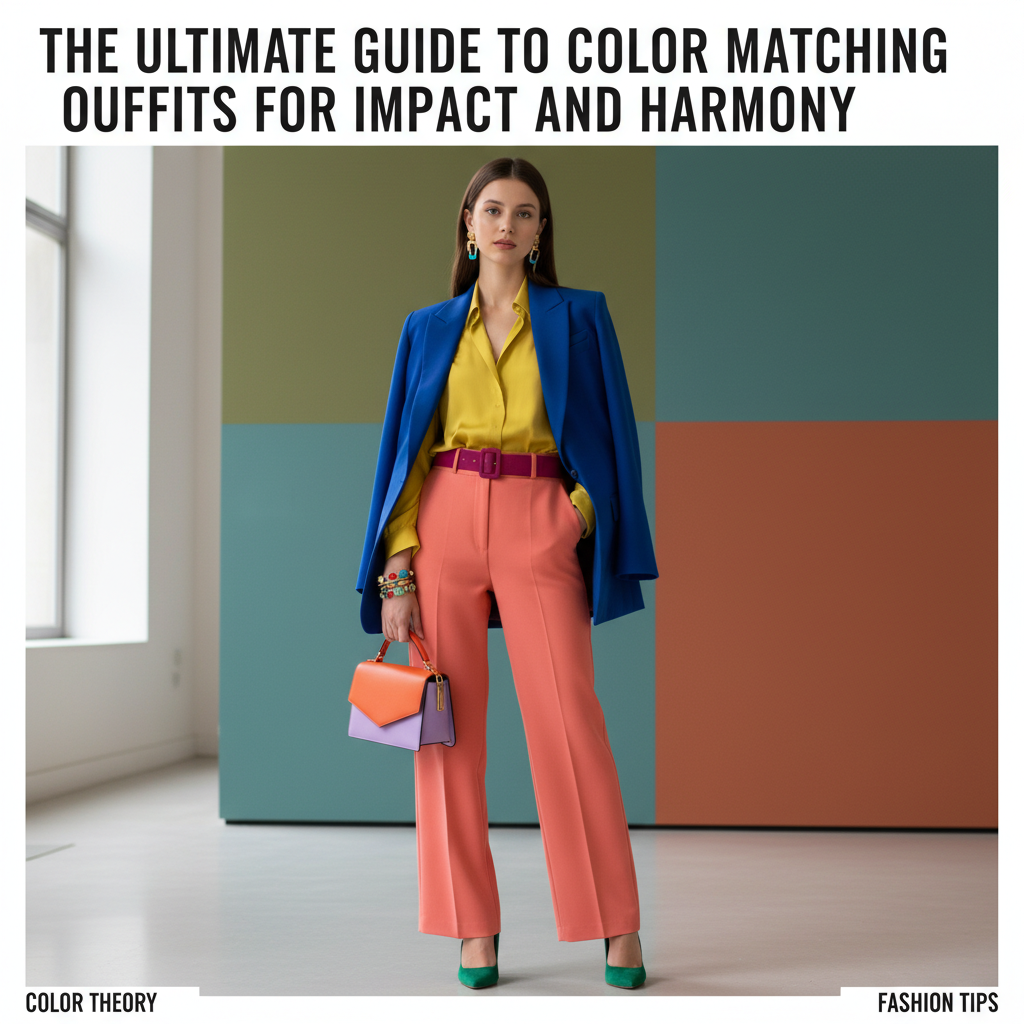
Introduction to Outfit Color Matching
Color matching in fashion is more than just avoiding clashes; it's about creating visual harmony, expressing your personality, and making a statement. Understanding basic color theory can transform your wardrobe and elevate your personal style.
The Foundation: The Color Wheel
The color wheel is your best friend when it comes to understanding how colors relate to each other. It's typically divided into primary, secondary, and tertiary colors.
- Primary Colors: Red, Blue, Yellow – these cannot be created by mixing other colors.
- Secondary Colors: Orange (Red + Yellow), Green (Blue + Yellow), Purple (Red + Blue) – created by mixing two primary colors.
- Tertiary Colors: Mix of a primary and a secondary color (e.g., Red-Orange, Blue-Green).
Key Color Harmonies for Outfits
Knowing these combinations will help you create aesthetically pleasing looks:
- Monochromatic: Using different shades, tints, and tones of a single color. This creates a sleek, sophisticated, and cohesive look. Example: Various shades of blue, from navy to sky blue.
- Analogous: Combining colors that are next to each other on the color wheel. These colors usually blend well and create a sense of harmony. Example: Yellow, yellow-green, and green.
- Complementary: Pairing colors directly opposite each other on the color wheel. This creates high contrast and vibrancy, making each color pop. Example: Red and Green, Blue and Orange, Yellow and Purple.
- Triadic: Using three colors equally spaced around the color wheel. This creates a vibrant and balanced look, often found in bolder, more playful styles. Example: Red, Yellow, and Blue.
- Split-Complementary: A variation of complementary, where you pick a base color and then use the two colors adjacent to its complement. This offers a vibrant contrast but with less intensity than a direct complementary scheme. Example: Blue with Red-Orange and Yellow-Orange.
Practical Tips for Everyday Color Matching
- Start with Neutrals: Black, white, grey, and beige are versatile and can be paired with almost any color. Build your base outfit with neutrals, then add pops of color.
- Consider Your Skin Tone: Warm skin tones often look best in earthy colors like olive green, browns, and oranges. Cool skin tones shine in blues, purples, and jewel tones.
- The 60-30-10 Rule: For a balanced outfit, dedicate 60% to your main color, 30% to a secondary color, and 10% to an accent color (often accessories).
- Experiment with Texture: Even within a monochromatic outfit, varying textures (e.g., a knit sweater with satin pants) adds depth and prevents the look from falling flat.
- Use Accessories: Scarves, jewelry, bags, and shoes are perfect for introducing accent colors or completing a color scheme without overwhelming your main outfit.
When to Break the Rules
Fashion is also about personal expression. Once you understand the rules, you can strategically break them to create unique, avant-garde looks. The key is to do it intentionally. Ask Mirror can help you identify if your daring color combinations truly work or need a tweak!
Conclusion
Mastering color matching is a journey, not a destination. By understanding the basics of the color wheel and practicing different harmonies, you'll gain the confidence to create stunning outfits that truly reflect your style. Remember, Ask Mirror is always here to provide unbiased feedback on your color choices!
Frequently Asked Questions
- What if I don't like bright colors?
- You can still use color theory with muted tones, pastels, or by incorporating color through accessories. Focus on harmonious combinations that suit your aesthetic.
- How can I tell if a color washes me out?
- Hold the color up to your face in natural light. If it makes your skin look dull or sickly, it's probably not the best shade for you. Our AI can help identify flattering colors!